


Enhancing Form and Confidence: Breast Aesthetic Surgeries

The pursuit of physical harmony and self-confidence often leads individuals to consider the transformative possibilities of modern medicine. Among the most sought-after procedures globally, Breast Aesthetic Surgeries encompass a diverse range of techniques designed to alter the size, shape, and symmetry of the breasts. Whether driven by reconstructive needs after illness, changes following pregnancy, or a personal desire for aesthetic refinement, these procedures offer more than just physical changes; they often provide a renewed sense of self-assurance.
Understanding the nuances of these surgeries is essential for anyone considering a procedure. From the initial consultation to the final stages of recovery, the journey is highly personalized, requiring a blend of surgical precision and artistic vision.
The Spectrum of Breast Aesthetic Surgeries
Breast surgery is not a one-size-fits-all field. It is a specialized branch of Plastic Surgery that addresses various anatomical concerns. The primary categories of breast aesthetics include augmentation, reduction, and lifting.
1. Breast Augmentation (Augmentation Mammoplasty)
Breast augmentation remains the most popular aesthetic procedure worldwide. It involves the use of implants—typically saline or silicone—to increase the volume of the breasts. This procedure is ideal for individuals who feel their breasts are too small, have lost volume due to weight loss or breastfeeding, or have naturally asymmetrical breasts.
Modern advancements have introduced fat grafting (autologous fat transfer) as an alternative or supplement to implants. In this method, fat is harvested from another part of the patient’s body via liposuction, purified, and then injected into the breast tissue for a more natural enhancement.
2. Breast Reduction (Reduction Mammoplasty)
While much of the media focus remains on enhancement, breast reduction is a life-changing procedure for those suffering from the physical and emotional burden of overly large breasts (macromastia). Excessive breast weight can lead to chronic back, neck, and shoulder pain, skin irritation, and limitations in physical activity.
During a reduction, the surgeon removes excess glandular tissue, fat, and skin. The nipple and areola are often repositioned to a higher, more youthful level. This procedure is frequently praised by patients for the immediate relief of physical discomfort and the improved proportion of their silhouette.
3. Breast Lift (Mastopexy)
Aging, gravity, and pregnancy can cause the skin to lose elasticity, leading to “ptosis” or sagging. A breast lift focuses on reshaping the existing tissue rather than significantly changing the size. By removing excess skin and tightening the surrounding tissue, the surgeon repositions the breasts to a more upright and youthful projection. For those who desire both lift and volume, a mastopexy-augmentation (a combination of a lift and an implant) is often recommended.
Considerations for the Modern Patient
Choosing to undergo surgery is a significant decision that involves balancing expectations with medical reality. Patients partnering with facilitators like Turkishmedtour often find that the process is streamlined through expert guidance and access to world-class medical facilities.
Surgical Techniques and Incisions
The choice of incision is a critical part of the surgical plan, as it determines the location of future scarring. Common approaches include:
- Inframammary: An incision in the fold under the breast, providing the surgeon with excellent access.
- Periareolar: An incision around the edge of the areola, often used for lifts or minor augmentations.
- Transaxillary: An incision in the armpit, avoiding scars on the breast itself.
The Role of Technology
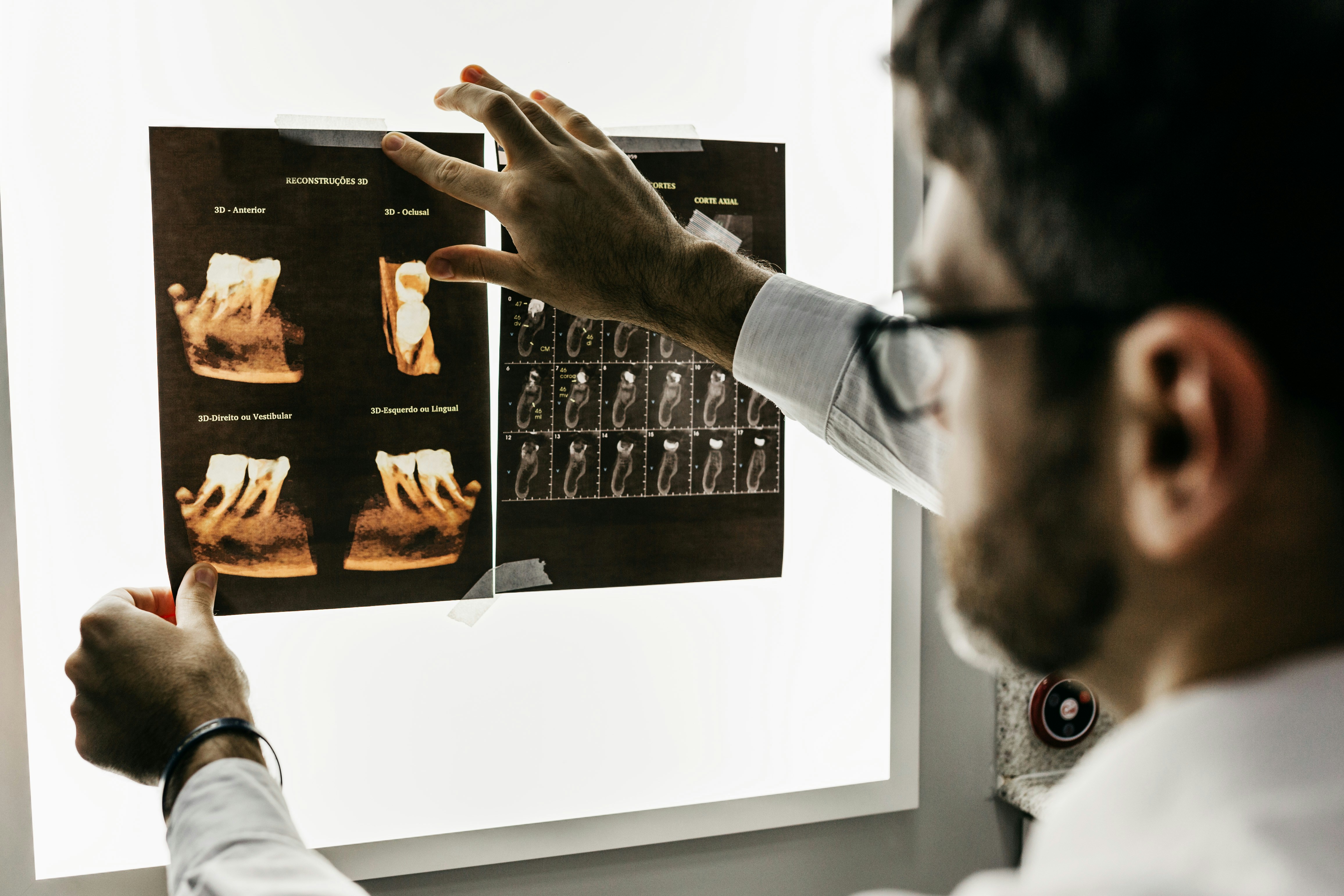
The field has seen a surge in 3D imaging technology, allowing patients to visualize potential outcomes before they ever enter the operating room. This “virtual try-on” helps align the patient’s goals with the surgeon’s capabilities, fostering a more transparent and satisfying surgical experience.
The Path to Recovery
Recovery is a vital phase where the body heals and the final aesthetic results begin to emerge. While every patient’s timeline varies, general milestones include:
- The First Week: Most patients experience swelling and mild discomfort, which is managed with prescribed medication. Supportive surgical bras are mandatory during this phase to stabilize the tissue.
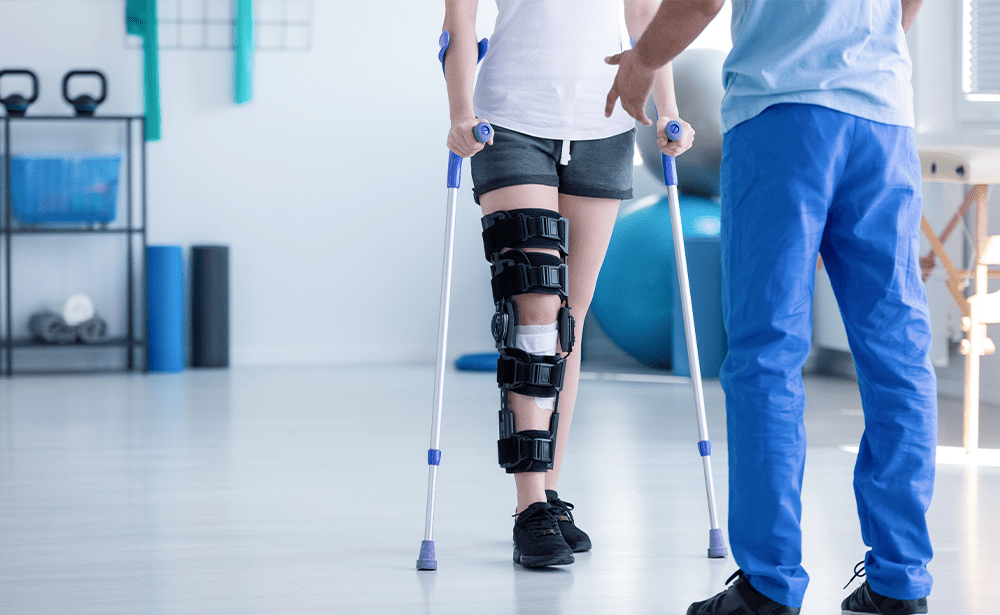
- Weeks Two to Four: Most individuals can return to non-strenuous work. However, heavy lifting and high-impact exercise must be avoided to prevent complications such as seromas or implant displacement.
- The Six-Month Mark: This is typically when residual swelling has fully subsided, and the “drop and fluff” process (where implants settle into a natural position) is complete.
Safety and Long-Term Outcomes
Patient safety is the cornerstone of any successful aesthetic procedure. It is imperative that surgeries are performed by board-certified surgeons in accredited facilities. While complications such as capsular contracture (the hardening of the tissue around an implant) or hematomas are rare, being aware of the risks allows for proactive management.
Regular follow-ups and long-term monitoring—especially for those with implants—ensure that the results remain healthy and aesthetically pleasing for years to come. Modern implants are highly durable, but they are not necessarily “lifetime devices,” and patients should be prepared for the possibility of future maintenance.
Choosing the Right Partner
For many, the journey to aesthetic enhancement involves traveling to renowned medical hubs. International patients benefit from comprehensive care packages that include consultation, surgery, and post-operative monitoring. Engaging with a reputable medical tourism facilitator ensures that every detail, from hospital selection to recovery accommodation, is handled with professional care.
By prioritizing medical expertise and realistic goal-setting, individuals can achieve results that not only enhance their physical appearance but also significantly improve their quality of life. The evolution of breast aesthetic surgery continues to offer safer, more predictable, and more natural-looking outcomes for people around the globe.


