
The Architecture of Stem Cell Science
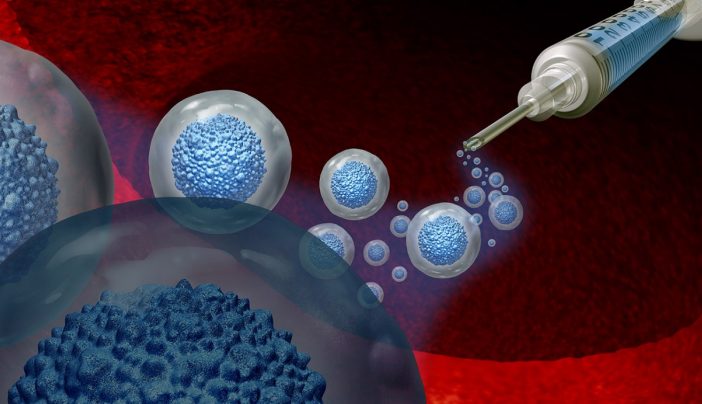
The human body is a marvel of biological engineering, possessing innate mechanisms designed to repair structural damage, replace aging tissues, and maintain physiological equilibrium over a lifetime. At the absolute core of this regenerative capability lies the stem cell. In medical science, these unique biological entities are defined as unspecialized or undifferentiated cells that have not yet developed into a specific tissue type, such as a nerve, muscle, or red blood cell. Unlike ordinary somatic cells, which are strictly locked into a single physiological role, these foundational cells possess the remarkable ability to divide and either create exact copies of themselves or transform into specialized cells with highly dedicated functions. This inherent plasticity forms the structural basis of regenerative medicine, a rapidly advancing field focused on restoring the functional integrity of damaged organs and compromised tissues.
The Defining Properties: Potency and Self-Renewal
To fully grasp the biological significance of these foundational elements, one must examine their two defining cellular properties: self-renewal and potency. Self-renewal is the capacity of the cell to undergo numerous cycles of division while maintaining its completely unspecialized state. This vital mechanism ensures that the body retains a continuous, active reservoir of repair cells throughout an individual’s lifetime.
Potency refers to the cell’s differentiation potential—the specific range of specialized cell types it has the biological capacity to become. The highest level of potency is totipotency, seen only in the earliest stages of embryonic development, where a single cell possesses the instructions to give rise to an entire organism. As cellular development progresses, cells become pluripotent, meaning they can develop into nearly any cell type within the human body. Eventually, they transition into a multipotent state, where their differentiation potential is restricted to a specific cellular lineage, such as the blood, bone, or neurological systems.
Primary Classifications and Origins
Medical professionals and molecular researchers categorize these regenerative agents primarily based on their origin within the human body.
- Embryonic Tissues: Derived from early-stage blastocysts, these are highly prized in research for their pluripotency. They hold the theoretical potential to regenerate any tissue in the human body, though their application involves complex ethical frameworks and distinct immunological considerations.
- Adult (Somatic) Tissues: Found residing in mature bodily structures, such as bone marrow, adipose (fat) tissue, and circulating peripheral blood. These multipotent cells typically generate only the specific cell types of the tissue in which they reside. For example, hematopoietic cells in the bone marrow exclusively give rise to various blood components.
- Induced Pluripotent Varieties (iPSCs): In recent years, a groundbreaking advancement has emerged with the creation of genetically reprogrammed somatic cells. By introducing specific genes into ordinary adult cells, scientists can revert them to an embryonic-like state. This unlocks a method to generate patient-specific pluripotent tissues, dramatically reducing the risk of immune rejection and bypassing historical ethical constraints.
Mechanisms of Action and Cellular Healing
The therapeutic application of these biological units extends far beyond simple, direct tissue replacement. While their ability to differentiate into needed cell types is crucial, researchers have established that their healing efficacy also relies heavily on a process known as paracrine signaling. When introduced into a damaged biological environment, these specialized cells act as microscopic communication centers, secreting a highly potent array of growth factors, cytokines, and extracellular vesicles.
This localized chemical signaling actively reduces harmful inflammation, inhibits the premature death of surrounding healthy cells, and heavily stimulates the body’s existing repair mechanisms to heal the compromised tissue. This dual mechanism—direct structural replacement combined with chemical environmental modification—makes them highly versatile tools for addressing degenerative conditions that have historically resisted traditional medical interventions.
Specialized Healthcare Integration
The integration of these advanced biological therapies into highly specialized medical care requires sophisticated laboratory infrastructure and deep multidisciplinary expertise. Distinguished healthcare institutions, such as Liv Hospital, operate at the forefront of implementing scientifically validated regenerative protocols. Within highly controlled, state-of-the-art laboratory environments, dedicated medical teams meticulously harvest, process, and precisely administer these cells to target specific complex pathologies.
Currently, one of the most firmly established medical applications globally is the use of bone marrow transplants to treat severe hematological malignancies, such as leukemia and lymphoma. Furthermore, the field of regenerative orthopedics increasingly relies on autologous (patient-derived) cellular therapies to actively address severe osteoarthritis, cartilage defects, and chronic tendon injuries. These sophisticated biological interventions often offer patients viable, long-term alternatives to highly invasive joint replacement surgeries.
The continuous evolution of regenerative science is steadily expanding the horizons of what is medically possible. Rigorous global clinical trials are currently exploring the efficacy of cellular therapies in treating a diverse array of highly complex conditions, including neurodegenerative diseases, cardiovascular disorders, and severe autoimmune conditions. As our molecular understanding of cellular differentiation and advanced tissue engineering deepens, medical science is paving the way for highly personalized therapies that aim to restore fundamental physiological function and significantly enhance long-term human health outcomes.