

Excellence in Orthopedics: Restoring Mobility and Joint Function
The human musculoskeletal system is an intricate network of bones, joints, ligaments, tendons, and muscles. When this system operates flawlessly, movement is effortless and pain-free. However, daily wear and tear, sudden traumatic injuries, or progressive degenerative conditions can severely restrict mobility, making routine activities overwhelmingly difficult. The medical specialty dedicated to diagnosing, treating, and preventing these structural disorders relies on highly advanced orthopedic care. Medical professionals in this specialized field focus on restoring structural integrity and function to the body, ensuring that patients can regain their independence and return to active lives.
The spectrum of conditions affecting the musculoskeletal system is vast and highly varied. Degenerative joint diseases, such as osteoarthritis, are among the most prevalent issues globally, progressively wearing down the protective cartilage at the ends of bones. This degradation leads to chronic stiffness, swelling, and persistent pain, particularly in major weight-bearing joints like the knees and hips. Sports injuries represent another significant category of structural damage. Athletes and highly active individuals frequently encounter ligament tears, meniscus damage, and severe tendonitis that require expert intervention. Additionally, traumatic injuries, including complex multi-fragment fractures and severe joint dislocations, require immediate, highly precise treatment to ensure proper bone healing and prevent long-term physical disability. Spine disorders, ranging from herniated discs to structural curvatures like scoliosis, also demand rigorous specialist attention to maintain spinal alignment and protect critical nerve functions.
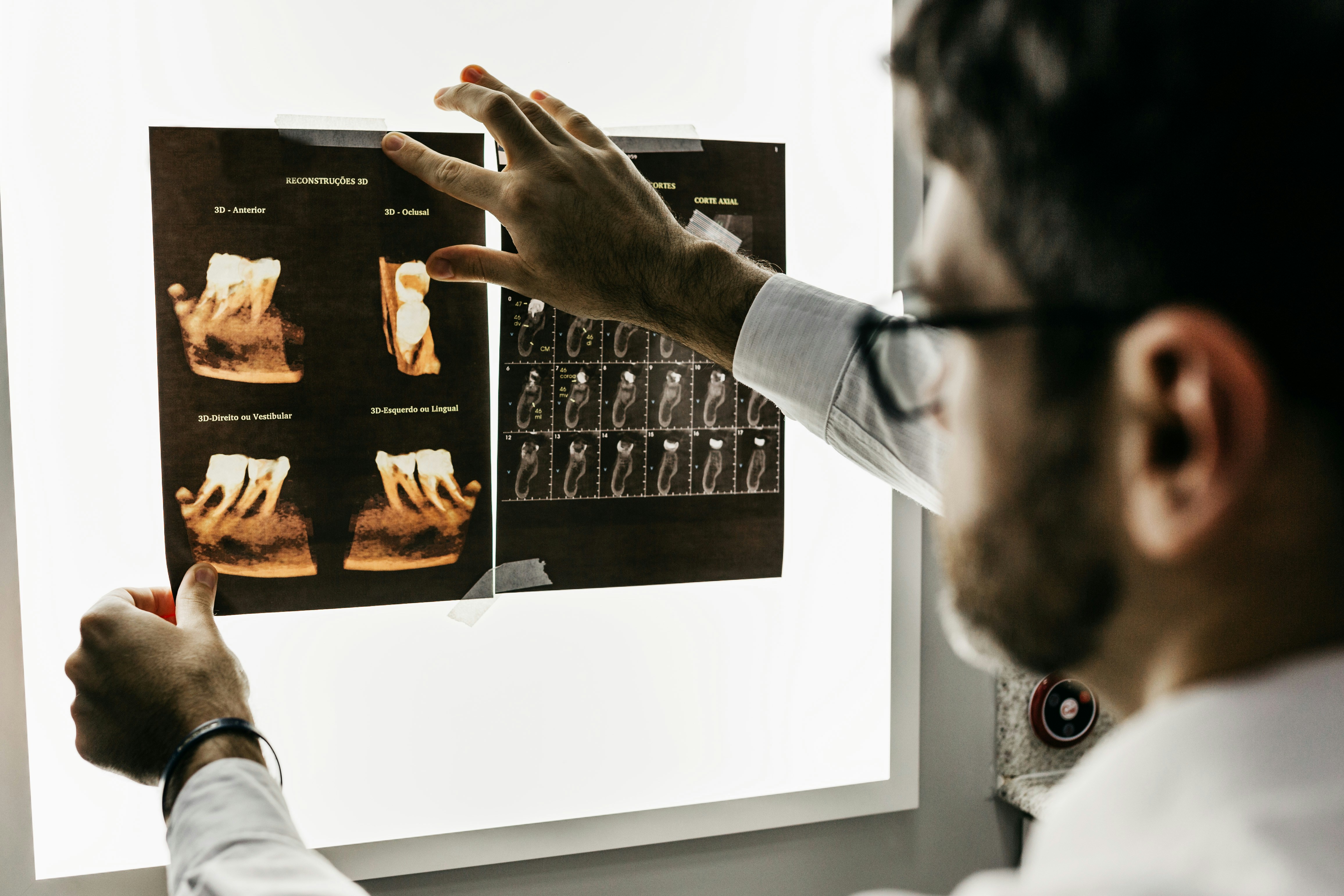
Effective treatment always begins with exceptional diagnostic precision. Today, healthcare facilities utilize highly sophisticated imaging technologies to assess musculoskeletal damage with unprecedented clarity. High-resolution magnetic resonance imaging (MRI), computed tomography (CT) scans, and advanced digital radiography allow specialists to visualize both dense bone structures and delicate soft tissues in minute detail. This diagnostic accuracy is crucial for formulating targeted, highly individualized treatment plans. By identifying the exact location and microscopic extent of an injury or degenerative change, specialists can accurately determine whether a patient requires conservative management or immediate surgical intervention. Early detection of joint deterioration or micro-fractures often expands the range of viable treatment options, potentially delaying or entirely avoiding the need for extensive operative procedures down the line.
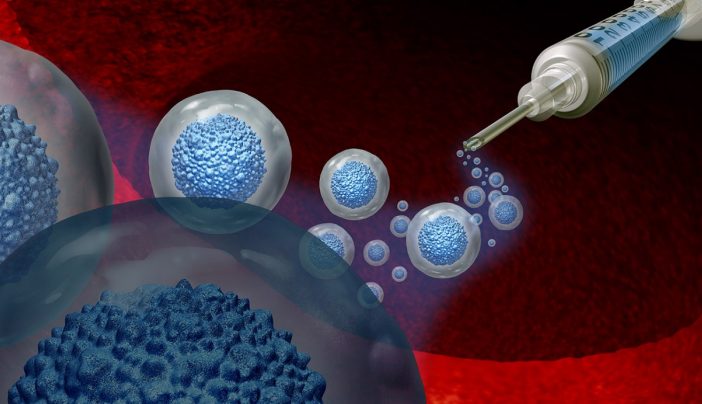
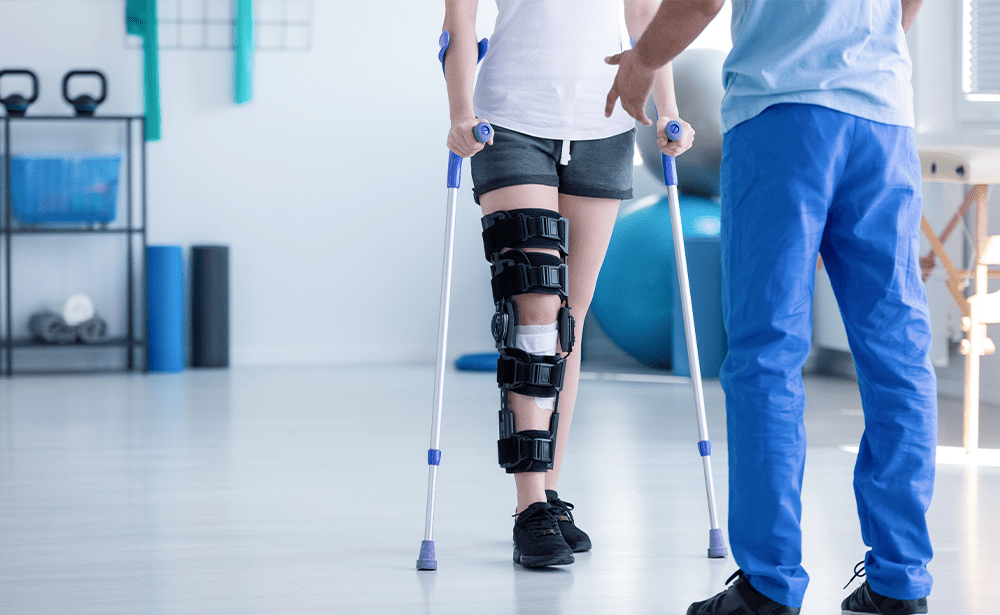
It is important to note that not all musculoskeletal issues necessitate a trip to the operating room. A significant portion of expert care revolves around conservative, non-invasive therapeutic modalities. Physical therapy plays a foundational role in structural recovery, utilizing targeted exercises to strengthen the muscles surrounding a compromised joint, thereby improving overall stability and significantly reducing pain. Targeted corticosteroid injections, hyaluronic acid treatments, and emerging regenerative therapies like platelet-rich plasma (PRP) offer substantial, long-lasting relief for localized inflammation and cellular tissue damage. Lifestyle modifications, including supervised weight management and daily ergonomic adjustments, are strictly integrated into patient care protocols to alleviate unnecessary mechanical stress on the skeletal system over time.
When conservative measures no longer provide adequate pain relief or functional improvement, surgical intervention becomes the necessary next step. The rapid evolution of surgical techniques has dramatically transformed patient outcomes and recovery expectations. Minimally invasive arthroscopy allows surgeons to meticulously repair joint damage through tiny incisions, utilizing a miniature camera and highly specialized micro-instruments. This refined approach minimizes surrounding tissue trauma, drastically reduces postoperative pain, and significantly accelerates the rehabilitation timeline compared to traditional open surgery. For cases of severe joint degeneration, total or partial joint replacement (arthroplasty) offers a highly effective, life-changing solution. Advances in biocompatible prosthetic materials and highly precise robotic-assisted surgical systems have exponentially enhanced the longevity and natural movement of artificial joints.
The inherent complexity of the musculoskeletal system demands a highly coordinated, multidisciplinary approach to medical care. Leading medical institutions integrate the collaborative expertise of specialist surgeons, rheumatologists, physical therapists, and dedicated pain management experts to deliver truly holistic treatment. Patients traveling from around the world frequently seek out distinguished centers of excellence that adhere strictly to the highest international medical standards. Institutions like Liv Hospital are meticulously designed to accommodate both domestic and international patients, providing immediate access to state-of-the-art surgical infrastructure and highly specialized medical teams. For individuals crossing borders to receive specialized healthcare, the availability of comprehensive patient services—ranging from initial multilingual preoperative consultations to dedicated, long-term postoperative rehabilitation—ensures a seamless, highly supportive recovery journey.
Maintaining skeletal health is an ongoing, lifelong process that requires dedicated attention at every age. From actively adopting proper posture and engaging in regular, low-impact physical exercise to seeking prompt, expert medical evaluation following any structural injury, proactive measures are incredibly invaluable. As medical technology and surgical techniques continue to advance at a rapid pace, the methods for preserving vital joint health and repairing complex structural damage will only become more precise and effective. Patients today have direct access to a much broader array of effective, life-enhancing therapies than ever before, enabling them to overcome debilitating pain and restrictive physical limitations. Empowered by expert medical care and highly innovative treatments, individuals can continue to pursue their physical passions and maintain an exceptional quality of life for decades to come.


