


The Essence of Oncology: A Detailed Look at the Definition and Dynamics of Malignancy
The human body is composed of trillions of cells that grow, divide, and undergo apoptosis in a highly regulated sequence. When this intricate biological system malfunctions, it can give rise to a complex group of diseases collectively known as Cancer. In medical terminology, this condition represents a broad spectrum of illnesses characterized by the rapid and uncontrolled proliferation of abnormal cells. Rather than a single disease, it is an expansive category encompassing more than a hundred distinct disorders, each behaving uniquely depending on its cellular origin. Expert oncological centers, such as Liv Hospital, emphasize that a precise definition and early intervention are paramount to effectively managing these conditions and improving patient prognoses.
Cellular Origins and Pathophysiology
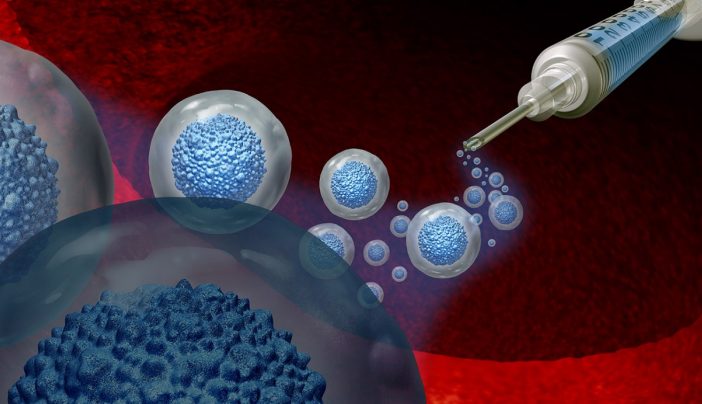
At a fundamental cellular level, the pathological process begins with genetic mutations. Healthy cells operate under strict genetic instructions that dictate their growth, division, and lifespan. However, when DNA sustains damage—whether through inherited genetic abnormalities or acquired mutations from environmental exposures—these regulatory mechanisms can fail. Instead of dying off as they should, the damaged cells survive, multiply at an accelerated rate, and accumulate to form masses of tissue known as tumors. It is critical to distinguish between benign and malignant tumors. Benign masses remain confined to their original location and generally do not pose life-threatening risks. Malignant tumors, on the other hand, possess the aggressive ability to invade surrounding healthy tissues and utilize the bloodstream or lymphatic system to disseminate to distant organs, a process medically termed metastasis.
Categorization by Origin and Tissue Type
Medical professionals classify these malignant disorders primarily by the specific organ or tissue where the aberrant cellular growth initially develops. For instance, a malignancy that begins in the breast tissue but subsequently metastasizes to the lungs is still classified and treated as a breast tissue malignancy. The broad classifications include solid malignancies, which account for the vast majority of cases, and hematological or blood-based malignancies. Carcinomas, which form in the epithelial tissues covering internal organs and skin, are the most prevalent type. Sarcomas originate in connective tissues such as bones, muscles, and cartilage. Conversely, leukemias and lymphomas arise within the blood-forming tissues of the bone marrow and the lymphatic system, leading to the rapid proliferation of abnormal white blood cells that crowd out healthy components.
Identifying the Disease: Symptoms and Diagnostic Strategies
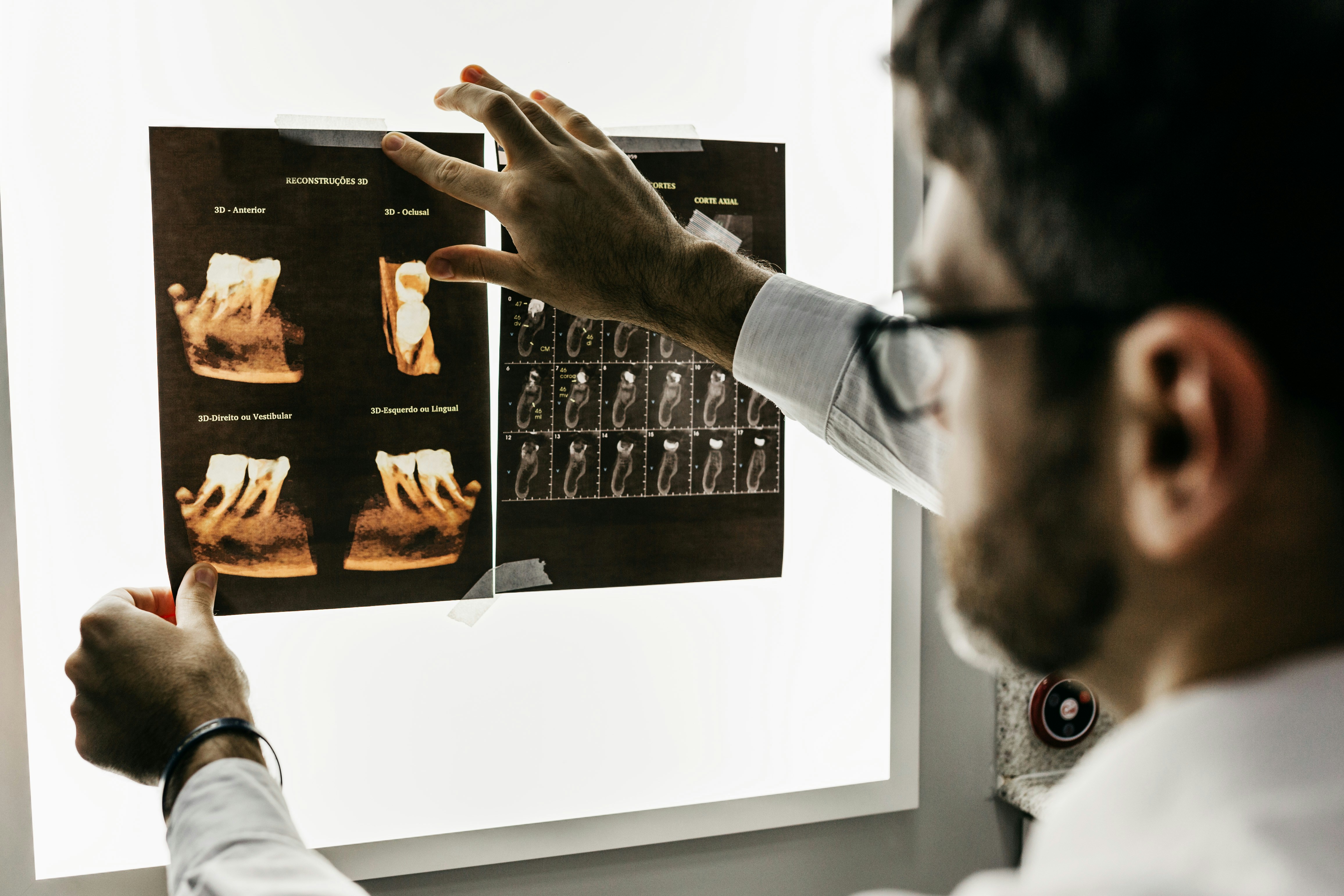
Because the spectrum of malignant diseases is so vast, symptomatic presentations vary significantly based on the affected organ, the size of the tumor, and the extent of spread. Some individuals may experience localized symptoms, such as persistent pain, palpable lumps, or unusual bleeding. Others might exhibit systemic signs like chronic fatigue, unexplained weight loss, night sweats, or prolonged fevers. Upon recognizing these symptoms, healthcare providers utilize a multifaceted diagnostic approach. Advanced imaging techniques, including high-resolution computed tomography (CT) scans, magnetic resonance imaging (MRI), and positron emission tomography (PET), allow physicians to visualize structural abnormalities within the body. However, a definitive diagnosis almost universally requires a biopsy. During this procedure, a tissue sample is extracted and examined microscopically by a pathologist to confirm the presence and nature of the malignant cells.
The Framework of Staging and Grading
Following a definitive diagnosis, medical teams must determine the extent of the disease through a process known as staging. Staging is vital because it establishes a standardized language for healthcare providers, helps estimate the prognosis, and dictates the most appropriate therapeutic strategies. The most universally utilized framework for solid tumors is the TNM staging system. In this protocol, “T” describes the size and local extent of the primary tumor. “N” indicates whether the malignant cells have invaded nearby lymph nodes. Finally, “M” signifies the presence or absence of distant metastasis.
The TNM classifications are generally consolidated into overall stages ranging from 0 to IV. Stage 0, often referred to as carcinoma in situ, denotes abnormal cells that have not yet invaded deeper tissues. Stages I, II, and III indicate progressively larger tumors or increased involvement of regional lymph nodes. Stage IV represents the most advanced phase, indicating that the disease has spread to distant organs. Parallel to staging, grading assesses the cellular appearance of the tumor. Pathologists assign a grade based on how closely the malignant cells resemble normal, healthy cells. Low-grade tumors tend to grow slowly and appear relatively normal, whereas high-grade tumors look highly abnormal and are generally more aggressive, necessitating intensive intervention.
Multidisciplinary Care and Treatment Strategies
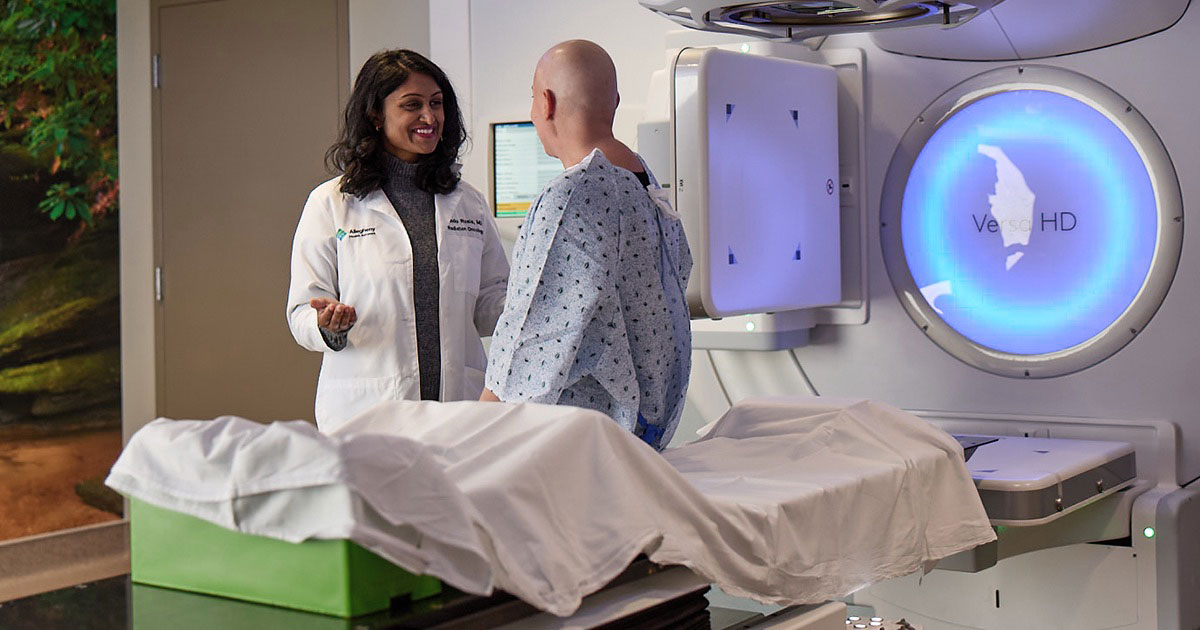
Treating these complex cellular disorders requires a highly coordinated, multidisciplinary approach. Depending on the precise diagnosis, stage, and grade, a patient’s treatment plan may involve surgical resection, radiation therapy, chemotherapy, or a combination of these modalities. Recent decades have also witnessed remarkable breakthroughs in targeted therapies and immunotherapy, which harness the immune system to identify and destroy abnormal cells with greater precision. Healthcare facilities equipped with cutting-edge medical infrastructure and specialized oncology boards continuously strive to deliver personalized care plans. By analyzing the genetic profile of the tumor, medical professionals can tailor treatments to attack specific cellular mechanisms, significantly improving the efficacy of the interventions.
The Importance of Early Detection and Ongoing Research
The landscape of oncology continues to evolve at a rapid pace, driven by relentless medical research and technological innovation. While a diagnosis remains a profound challenge for patients and their families, the continuous refinement of staging systems, diagnostic accuracy, and targeted treatments offers substantial hope. Regular health screenings, awareness of physical changes, and prompt medical consultations play a pivotal role in early detection, which remains one of the most powerful tools in achieving positive health outcomes. As medical science pushes forward, the collective ability to manage, treat, and ultimately overcome these intricate diseases continues to strengthen, paving the way for enhanced patient survival and improved overall well-being.


