Understanding the Path to Parenthood

Infertility is a complex medical condition that affects millions of individuals and couples worldwide. It is defined as the inability to conceive after one year of regular, unprotected intercourse (or six months for women over 35). While the diagnosis can be emotionally challenging, modern reproductive medicine offers effective solutions, most notably In Vitro Fertilization (IVF). However, before treatment can begin, a rigorous investigative process is required to identify the underlying barriers to conception. This process, known as the IVF Insemination Causes and Evaluation, is the cornerstone of a successful treatment plan at institutions like Liv Hospital.
The Spectrum of Infertility Causes
Infertility is rarely attributable to a single factor; it is often a combination of male and female physiological issues. Understanding these causes is the first step toward selecting the appropriate method of insemination or fertilization.
Female Factor Infertility
Female infertility accounts for approximately one-third of all infertility cases. The most common causes include:
- Ovulation Disorders: Problems with the regulation of reproductive hormones by the hypothalamus or the pituitary gland, or problems in the ovary itself, can cause ovulation disorders. Polycystic Ovary Syndrome (PCOS) is a frequent culprit, leading to irregular or absent ovulation.
- Fallopian Tube Damage or Blockage: The fallopian tubes are the pathway for the egg to meet the sperm. If these tubes are damaged or blocked—often due to pelvic inflammatory disease (PID) or previous surgeries—fertilization cannot occur naturally.
- Endometriosis: This condition occurs when tissue similar to the lining of the uterus grows outside the uterus. It can cause painful inflammation and scarring, which may block the fallopian tubes or interfere with implantation.
- Uterine or Cervical Causes: Benign polyps or tumors (fibroids) in the uterus can interfere with implantation. Additionally, structural abnormalities present from birth can impact the ability to sustain a pregnancy.
Male Factor Infertility
Male factors contribute to another third of infertility cases. The evaluation focuses on the quality and quantity of sperm.
- Abnormal Sperm Production or Function: Issues such as undescended testicles, genetic defects, or health problems like diabetes can affect sperm. The most common indicators are low sperm count (oligospermia), poor motility (asthenospermia), or abnormal shape (teratospermia).
- Delivery Issues: Problems with the delivery of sperm due to sexual dysfunction, structural blockages in the testicle, or damage to reproductive organs.
- Environmental Factors: Overexposure to certain environmental factors, such as pesticides, chemicals, and radiation, or lifestyle choices like cigarette smoking and excessive alcohol consumption, can reduce sperm production.
Unexplained Infertility
In approximately 15-30% of couples, standard infertility testing does not identify a specific cause. This is termed “unexplained infertility.” While frustrating, it does not mean pregnancy is impossible; rather, it often indicates subtle defects in egg quality, sperm function, or fertilization that standard tests cannot detect but which IVF can often bypass.
The Evaluation Process: A Diagnostic Deep Dive
Before an IVF cycle or insemination procedure begins, a comprehensive evaluation is mandatory. This ensures that the chosen treatment protocol is tailored to the specific biological needs of the patient.
Evaluation of the Female Partner
The assessment typically begins with a detailed medical history and physical examination, followed by specific diagnostic tests:
- Ovarian Reserve Testing: This helps determine the quantity and quality of the eggs remaining in the ovaries. Blood tests are used to measure hormones such as Anti-Mullerian Hormone (AMH) and Follicle-Stimulating Hormone (FSH) early in the menstrual cycle.
- Hysterosalpingography (HSG): This represents an X-ray procedure used to view the inside of the uterus and fallopian tubes. Contrast dye is injected into the uterus, allowing the physician to see if the tubes are open and if the uterine cavity is normal.
- Transvaginal Ultrasound: This imaging test allows physicians to examine the ovaries for cysts and the uterus for fibroids or other abnormalities. It also allows for an “antral follicle count,” which visually estimates ovarian reserve.
Evaluation of the Male Partner
The primary tool for male evaluation is semen analysis. This laboratory test analyzes the sperm count, motility (movement), and morphology (shape). If abnormalities are detected, further testing by a urologist may be recommended to check for hormonal imbalances or anatomical blockages such as varicoceles.
From Diagnosis to Treatment
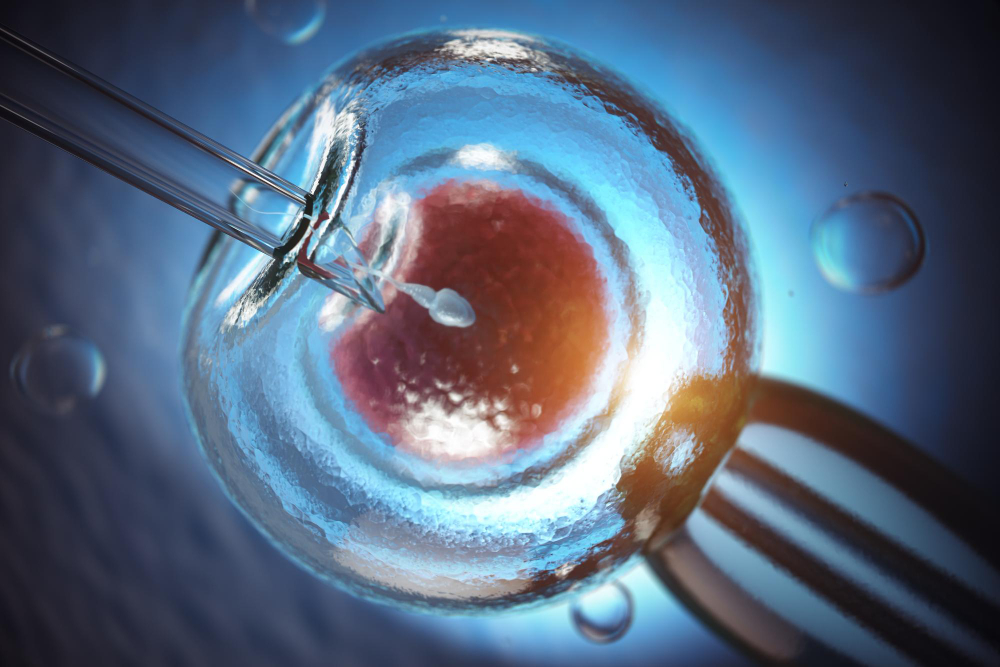
Once the evaluation is complete, the medical team can recommend a specific course of action. If tubal blockage is identified, IVF is the primary solution as it bypasses the tubes entirely. If severe male factor infertility is diagnosed, the team may utilize Intracytoplasmic Sperm Injection (ICSI) during the insemination phase, where a single sperm is injected directly into an egg.
The journey through infertility diagnosis and evaluation is clinically rigorous, but it is ultimately designed to maximize the chances of a healthy pregnancy. By pinpointing the exact cause of infertility, medical professionals can navigate around biological barriers. However, the journey is not just physical. Maintaining emotional balance and a healthy lifestyle is equally critical for long-term well-being. For those seeking resources on holistic health, nutrition, and mental wellness to support their medical journey, visiting live and feel can provide valuable insights into living a balanced life while navigating fertility treatments.